717.845.7214
 York, PA


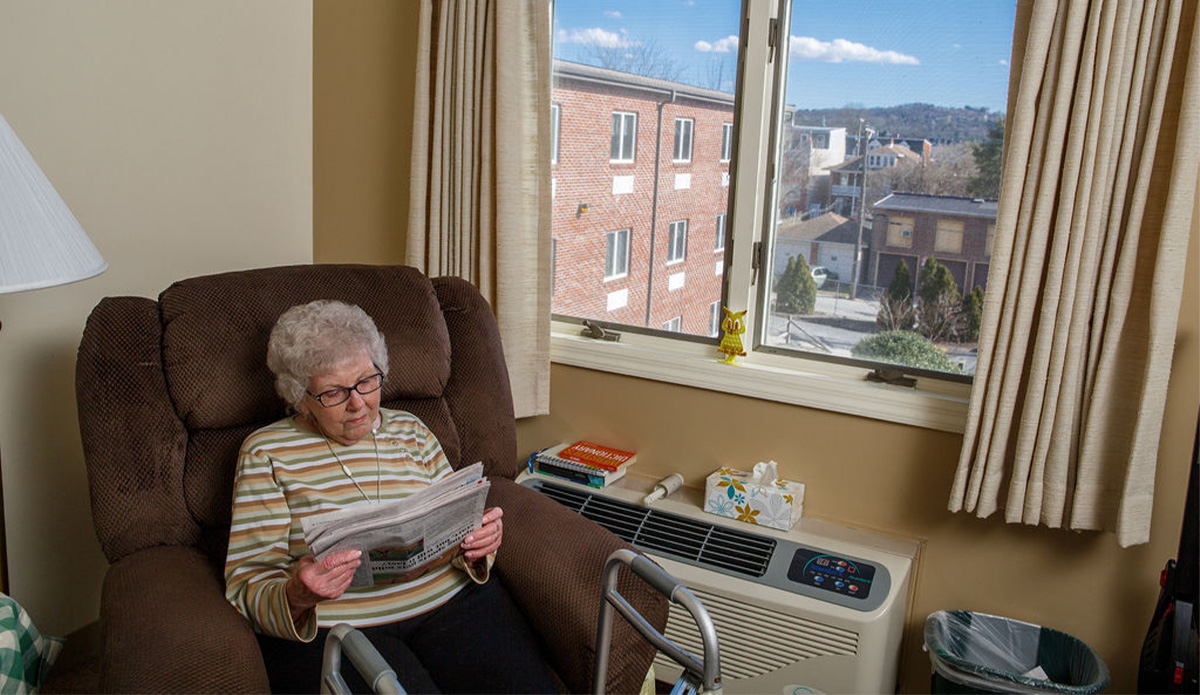
To choose a memory care facility, start with your loved one’s needs now and over time. Compare how each place plans care and trains its staff. Review its daily routines, safety steps, family updates, and costs. Also, ask what happens when a resident’s needs change.
This choice affects a growing number of families. The 2026 Alzheimer’s Disease Facts and Figures report says 7.4 million Americans age 65 and older are living with Alzheimer’s. A clear process can help you look beyond first impressions and judge how well a setting may fit. The steps below show what to ask, observe, compare, and confirm before you decide.
What Does a Memory Care Facility Do?
A memory care facility is a place for people living with Alzheimer’s disease or another form of dementia. Services vary by provider. They may include help with daily routines and medication support. Meals, activities, housekeeping, transportation, and family updates may also be included. The setting and care approach may be designed around changes in memory and thinking.
The term memory care does not mean that every place offers the same support. The Alzheimer’s Association explains that memory care units can be part of different types of care settings. Ask what each provider offers, who gives the support, and what happens as needs change.
Start With Your Loved One’s Current and Future Needs
The right setting must be able to meet the person’s actual needs. Before you plan visits, write down where your loved one needs help now. Add what may become important later. This gives your family the same starting point for each visit.
Consider these five areas:
- Daily tasks, such as dressing, bathing, eating, and moving through the day
- Medication support and other help directed by health professionals
- Ways of speaking, familiar routines, interests, and social needs
- Movement, dining needs, and the type of setting that works best
- Possible changes that may call for a new care plan or more support
If the right care level is unclear, speak with a health or care professional. You can also review how memory care and assisted living differ before you compare providers. The Care Assessment can help you sort current needs and prepare questions for each visit.

What to Look for in a Memory Care Facility
Do not look only at a list of services. Learn how the team plans, gives, reviews, and explains each type of support. Look for clear answers and written details. A broad promise such as “personalized care” means little unless the team can explain how it learns a resident’s routines and updates the care plan.
Use the same decision areas for each community so your comparison remains fair:
| Decision Area | What to Confirm | Evidence to Look For |
| Care planning | How needs, routines, preferences, and changes are assessed | A clear assessment and care-plan review process |
| Staff preparation | Dementia-related training, supervision, and staff continuity | Specific explanations rather than general assurances |
| Safety and environment | How the setting supports residents with cognitive changes | Well-maintained spaces and clearly explained procedures |
| Daily life | Activities, dining, routines, and opportunities for engagement | A current schedule and programs suited to different interests and abilities |
| Health support | Medication assistance, care coordination, and available rehabilitation | Written details about available services and their limits |
| Family communication | Who provides updates, and how concerns are handled | A defined contact and communication process |
| Costs and services | What the monthly fee includes and what may cost extra | A written breakdown of fees and possible changes |
No single row should decide the choice. A nice setting cannot make up for the wrong level of care. A long list of features may matter less than steady routines and clear updates. Give the most weight to the areas that affect your loved one each day.
What to Ask and Observe During a Memory Care Visit
A tour lets you test what you learned in your research. Bring the same questions to each visit and take notes. Ask for written details when an answer affects care or cost. Try to learn how the setting works on a normal day.
Questions about care, staffing, and communication
Ask how the first care review works and who helps create the plan. Find out how often the team reviews a resident’s needs. Ask what dementia care training staff receive and who guides their work. Learn how the team responds when a resident’s skills or behavior change.
Family updates deserve their own questions. Ask who your main contact would be and how often you would hear from that person. Find out what happens when a family raises a concern. A clear process is more useful than a broad promise to keep families informed.
Questions about daily life and available support
Ask how the team learns about a resident’s routines, interests, way of speaking, and dining needs. Review the current activity calendar. Ask how programs change for people with different skills and interests. Also, confirm how the team handles medication support, meals, housekeeping, laundry, transportation, and rehabilitation services.
Discuss costs at the same time as services. Ask what the monthly fee covers and what may cost more. Find out how the price could change if care needs grow. Request written details so you can compare the same items later.
What to observe during the visit
The visit should show more than the building. Look for signs of how the setting works:
- Notice whether staff speak to residents with patience and respect.
- See whether shared spaces are clean and being used.
- Compare the activity calendar with what is happening that day.
- Check whether what you see supports the answers you received.
One visit may not show every part of daily life. If a key question remains, talk again or return at a different time.
How to Compare Memory Care Communities and Costs
After each visit, record your notes while the details are clear. Separate required support from personal wants. Needed medication assistance, for example, should carry more weight than a preferred room style. Use the same care, family, daily-life, and cost factors for each place.
The National Institute on Aging recommends research and in-person visits when you compare long-term care. Ask for a written list of the base fee, covered services, added charges, deposit terms, and rate rules. Ask how costs may change when care needs grow. The lowest starting price may not lead to the lowest total monthly cost. The Cost Comparison can help you sort these expenses.
Review licensing and inspection information
License rules and oversight vary by state. Use the agency that oversees the type of residence you are considering. In Pennsylvania, the Department of Human Services licenses and inspects personal care homes. The state says it inspects each personal care home every year. Its provider directory also has license and inspection details.
These records add facts to your review. They do not replace a tour, care talk, or contract review. They can help you ask about past findings and steps taken to fix them.
How to Know Whether a Community Fits Your Loved One’s Needs
A setting may fit when the team can explain how it will meet your loved one’s current needs. It should also support familiar parts of the daily routine and keep the family informed. Ask how the team will respond as needs change. The services, setting, monthly cost, and written agreement should all match.
Before you decide, return to any open question. Review the contract, covered services, added fees, care reviews, and family updates. Include your loved one in the talks when it makes sense. You may also want to visit again. The goal is a sound choice based on the person’s needs and the facts you have gathered.
Explore Memory Care at Autumn House West
Autumn House West offers Memory Care and Personal Care at 914 W Market St, York, PA 17401. Support and features include medication assistance, dining, activity and social spaces, housekeeping, laundry, on-site transportation, and on-site rehabilitation services. Memory Care starts at $5,000. Families should confirm current rates, covered services, and any charges tied to care needs.
You can review the community’s Levels of Care before arranging a visit. To discuss your questions and see the setting in person, schedule a tour or call 717-845-7214.
Frequently Asked Questions
What should families consider when choosing a memory care facility?
Families should start with the person’s care needs, routines, wishes, and need for medication support. They should compare staff training, safety steps, daily life, family updates, and costs. Written details can show what the monthly fee covers and what may cost more. License and inspection records add another source of facts. The final choice should support both care needs and daily life.
What questions should you ask during a memory care visit?
Ask how the team reviews needs, creates care plans, and tracks changes. Find out what dementia care training staff receive and how families get updates. Ask how the team handles medication support, meals, activities, housekeeping, transportation, and other daily tasks. Request a clear list of covered services and added fees. Also ask what happens if the resident needs more help.
How can families compare memory care communities?
Families can use the same questions and review areas at every visit. Start with required care, then review daily life, family updates, the setting, and personal wishes. Write down what you saw soon after each tour. Collect written service and cost details, and give facts more weight than broad promises. A second visit may help you choose between the final options.
What services should a memory care facility provide?
A memory care facility should explain what it provides and how that support fits the resident’s needs. Services may include help with routines, medication support, meals, activities, housekeeping, transportation, and family updates. Some places may offer health support or rehabilitation services, while others may not. Families should ask who provides each service and whether the monthly fee covers it. They should also ask what changes when the resident needs more care.
How do you know whether a community fits your loved one’s needs?
A setting may fit when its services, staff approach, and daily life match the person’s needs and routines. The team should explain how it reviews and meets changing needs. Families should understand the full cost, contract terms, and limits of support. What they see during visits should match the facts they receive. Resolve any key concern before signing an agreement.
The staff is friendly, helpful and caring to anyone that comes into the building whether it’s a resident or their family.
Kimberly Burdette