717.845.7214
 York, PA


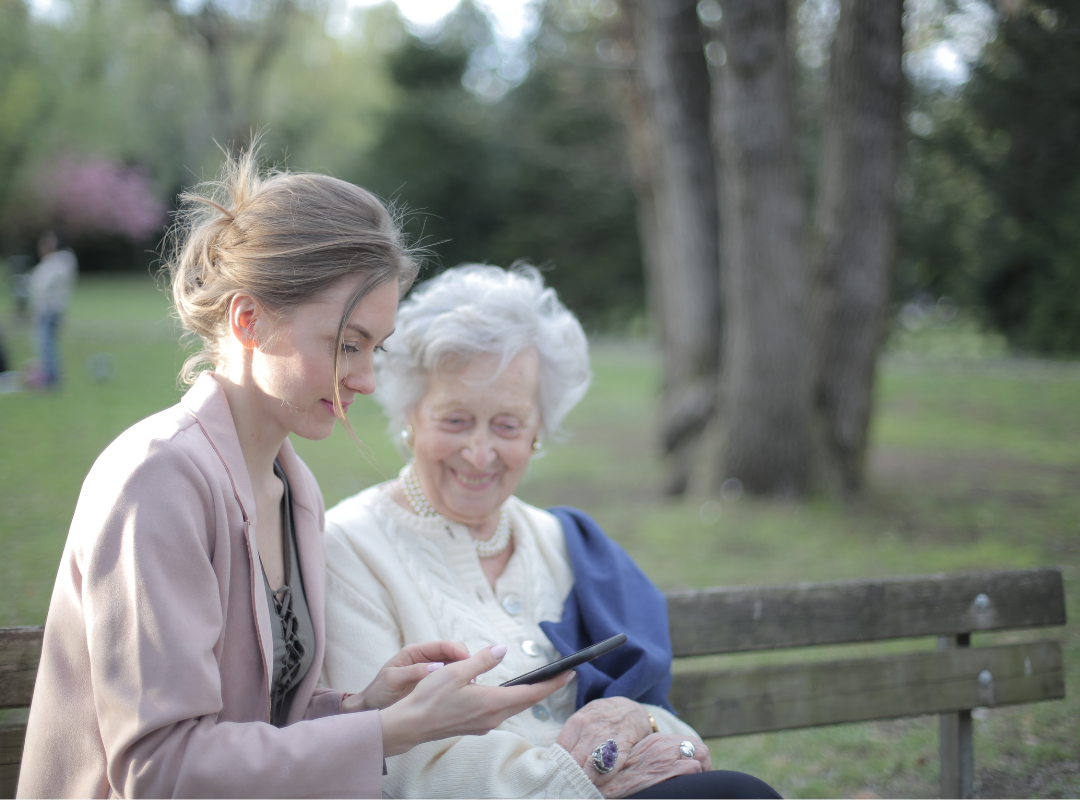
Memory care vs assisted living comes down to the type of support your loved one needs. Assisted living supports daily routines while encouraging independence. Memory care is designed for people whose memory changes call for a more specialized approach, added structure, and consistent guidance. The best choice reflects current abilities, daily needs, and lifestyle preferences.
Families often begin this comparison after noticing that a parent needs more reminders, support, or structure than before. Autumn House West in York, Pennsylvania, offers Personal Care and Memory Care. The differences below can help you organize your concerns, compare options, and prepare for a more useful care conversation.
The Difference Between Memory Care and Assisted Living at a Glance
Assisted living and memory care may both offer help with daily living, meals, medication routines, housekeeping, and social connections. The main difference is why that support is needed. Assisted living generally serves someone whose main needs involve personal assistance, while memory care is intended for people whose cognitive changes affect daily life and call for specialized support.
The Centers for Disease Control and Prevention describes dementia as a decline in mental ability that interferes with daily life and may affect memory, thinking, behavior, and everyday decisions. A diagnosis alone does not decide where someone should live. Families still need to look at how the person manages routines, responds to support, and participates in daily life.
| Decision Factor | Personal Care or Assisted Living | Memory Care |
| Primary need | Assistance with daily routines and personal needs | Specialized support for memory-related needs |
| Independence | Encourages independence with support as needed | Balances independence with more structure and guidance |
| Daily approach | Personalized help with everyday activities | Consistent routines shaped around memory-related needs |
| Medication support | May include medication assistance | May include medication assistance as part of the resident’s support |
| Lifestyle | Social, recreational, fitness, spiritual, and community activities | Meaningful activities are considered alongside memory-related needs |
| Family question | Is help with daily living enough? | Do cognitive changes call for a more specialized option? |
| Starting price at Autumn House West | Personal Care starts at $3,000 | Memory Care starts at $5,000 |
Starting prices are a useful comparison point, but they do not answer every care question. Families should confirm what is included and discuss the individual’s needs directly with the community.
What Assisted Living and Memory Care Are Designed to Support
These care options serve different needs, even when some daily services overlap. Understanding that distinction can prevent a family from choosing an option simply because it offers more assistance on paper.
Personal Care Supports Daily Living With Greater Independence
Personal Care may fit someone who benefits from support with medication, dining, housekeeping, laundry, or transportation, but can still take part in daily life with a greater degree of independence. The purpose is to provide assistance where it is needed while respecting the person’s preferences, abilities, and familiar routines.
Families can explore additional senior living resources as they prepare questions about daily support, lifestyle, and changing care needs.
Memory Care Addresses Needs Related to Memory Changes
Memory care is intended for people whose memory-related needs require a more specialized level of support. The Alzheimer’s Association explains that memory care units are designed to meet the specific needs of people living with Alzheimer’s disease and other dementias.
This does not mean that ordinary forgetfulness automatically calls for memory care. The decision becomes more relevant when cognitive changes affect routines, decision-making, medication habits, communication, or the person’s ability to benefit from their current support.
What Is Memory Care in Assisted Living?
The phrase “memory care in assisted living” generally describes memory-focused support offered within a broader senior living setting. Memory care and assisted living remain different care options because they respond to different resident needs.
At Autumn House West, Personal Care and Memory Care are listed as separate levels of care. Ask whether memory care is offered as a separate level of support, what services it includes, and how the community determines which option fits a resident’s needs.
During conversations with a community, ask how team members learn a resident’s routines, respond when the person becomes confused, and communicate meaningful changes to family members. These details can reveal more about daily care than a list of features alone.
Five Factors That Can Help Your Family Compare Care Options
The appropriate level of support is usually clearer when you look at patterns across several areas. One difficult day or isolated concern may not show the full picture, but repeated changes can reveal where more support may be needed.
1. Changes in Memory and Daily Decision-Making
Notice whether your loved one is having more difficulty following familiar routines, making everyday choices, or remembering information needed to manage the day. Record specific examples and how often they occur. This gives your family a more useful starting point than broad labels such as “doing worse.”
2. Support Needed With Everyday Routines
Consider how much assistance is needed with medication, meals, housekeeping, laundry, and transportation. Personal Care may fit when these practical needs are the main concern. Memory Care may become more relevant when memory changes make those routines harder to understand, remember, or complete consistently.
3. The Amount of Structure That Feels Supportive
Some people do well with flexible assistance and reminders. Others benefit from a more consistent rhythm because too many choices, changes, or steps have become difficult to manage. The goal is to find the amount of structure that helps the person participate in daily life.
4. Social and Lifestyle Preferences
Care needs should not overshadow the person’s identity and interests. Art classes, fitness classes, game nights, movie screenings, religious services, and outings can provide familiar ways to connect and participate.
As you review community amenities, think about which activities your loved one would realistically enjoy. A long list has little value if the daily experience does not reflect their personality or preferences.
5. What the Family Can Sustain
Families often adjust gradually by providing more reminders, transportation, coordination, or hands-on support. Over time, you may realize that the current arrangement depends on more family involvement than everyone can consistently maintain.
More than 11 million adults in the United States provide unpaid care for someone living with dementia, and caregivers provided about 18.4 billion hours of care in 2023, according to the CDC. These figures show how much responsibility families may carry as needs change. A Care Assessment can help you organize what you have noticed and identify questions to discuss with a community.
When to Move From Assisted Living to Memory Care
A move from assisted living to memory care may be worth discussing when memory changes begin to affect daily routines, medication habits, decision-making, participation, or the suitability of the current support plan. No single event determines the answer. Look for repeated patterns and whether the present services still match the person’s needs.
Changes that may prompt a care conversation include:
- Increasing need for reminders or redirection
- Greater difficulty following familiar routines
- Memory changes that affect everyday decisions
- Reduced ability to benefit from the current support plan
- A growing need for structure related to cognitive changes
The Alzheimer’s Association notes that there is no one-size-fits-all formula for dementia care. Needs change over time, and every family’s circumstances are different. An individualized discussion can help separate a temporary concern from a meaningful change in care needs.
Moving a Parent From Assisted Living to Memory Care
Start by writing down specific changes without blaming or labeling your parent. Compare what they currently need with what their setting provides, and include them in the conversation when appropriate. Then request an assessment, visit the memory care setting, and ask how routines, activities, and family communication may differ.
Before a move, share information about your parents’ preferences, meaningful activities, familiar routines, and ways of communicating. These details help keep the conversation centered on the person, not only the change in care level.
Memory Care vs Assisted Living vs Nursing Home
Memory care, assisted living, and nursing homes are not interchangeable terms. Each represents a different care category, so families should begin with the person’s needs and confirm exactly what each provider offers.
| Option | Central Decision Question |
| Personal Care or Assisted Living | Does the person mainly need assistance with daily routines? |
| Memory Care | Do memory-related changes call for more specialized support? |
| Nursing home | Does the person need a different care category than Personal Care or Memory Care? |
Nursing home care is a separate senior care category. Families exploring it should evaluate the person’s needs and confirm the services offered by each provider under consideration.
Autumn House West’s approved care options are Personal Care and Memory Care. Families who need a different care category should speak with an appropriate provider about available services.

Understanding the Cost of Memory Care vs Assisted Living
Memory Care at Autumn House West starts at $5,000, while Personal Care starts at $3,000. These figures show the starting point for each option, but the comparison should also include the person’s care needs, included services, and daily living experience.
The average monthly cost for memory care cannot be reduced to one number that applies to every community or resident. Location, setting, services, and individual needs can affect cost. For a useful comparison, ask what each starting price covers and which parts of the care plan depend on an assessment.
Look Beyond the Starting Monthly Price
Consider services that may shape daily life and the overall value of a care option. At Autumn House West, relevant services and amenities include dining, laundry, housekeeping, Wi-Fi and cable TV access, on-site transportation, medication assistance, activities, social spaces, and on-site rehabilitation services.
The question is not only, “What does it cost?” It is also, “What support and daily experience does this cost provide for my loved one?” The Cost Comparison tool can help your family organize the factors you want to review.
Questions to Ask About Cost
Ask what is included in the starting price, which services depend on individual needs, and how a change in care level may affect the plan. You may also want to ask how dining, housekeeping, laundry, transportation, medication assistance, and activities are handled.
Clear answers make it easier to compare value without relying only on the monthly figure. Keep a written list so your family can review the same factors across every option you consider.
A Family Decision Framework for Choosing the Right Level of Care
Choose the level of care that matches the person’s current needs, not simply the option with the most services. A strong match should support daily life, preserve meaningful routines, and give the family a clear way to discuss changes later.
Use this four-part Needs-Fit Framework:
- Daily support: What assistance is needed with medication, meals, housekeeping, laundry, or transportation?
- Memory-related needs: Are cognitive changes affecting routines, participation, or everyday decisions?
- Lifestyle fit: Which activities, social spaces, spiritual opportunities, and outings would feel meaningful?
- Next-step confidence: What information does your family still need before deciding?
Daily support and lifestyle should be reviewed together. Someone may need medication assistance and housekeeping while also wanting fitness classes, religious services, art classes, or community outings. The Lifestyle Assessment can help you think beyond care tasks and consider what would make daily life feel engaging and familiar.
During a community visit, ask how the appropriate care level is determined, how needs are reviewed, which activities are available, and how personal preferences are learned. You can also ask what is included, how families receive updates, what to prepare for a move, and what happens if needs change.
Explore Personal Care and Memory Care at Autumn House West
The central question in a memory care vs assisted living decision is which level of support fits your loved one’s present needs. Autumn House West, located at 914 W Market St in York, offers Personal Care and Memory Care along with dining, medication assistance, housekeeping, transportation, social spaces, activities, and local outings. Personal Care starts at $3,000, and Memory Care starts at $5,000.
Begin with the Care Assessment if you are still sorting through changes. Use the Cost Comparison tool to review services and value, or complete the Lifestyle Assessment to consider activities and daily preferences. You can also schedule a tour or contact Autumn House West to discuss your family’s questions without feeling rushed into a decision.
Frequently Asked Questions
How do I know when to move from assisted living to memory care?
A move may be worth discussing when memory changes regularly affect routines, decisions, medication habits, or participation in daily life. Look for patterns instead of relying on one difficult day. Consider whether the current support plan still meets the person’s needs. An individualized care assessment can help your family identify the most appropriate next step.
Why is memory care better than assisted living?
Memory care is not automatically better than assisted living. It may be a better fit when memory-related needs call for specialized support, more structure, and consistent guidance. Assisted living or Personal Care may remain appropriate when the main need is assistance with daily routines. The appropriate option is the one that matches the resident’s current needs and abilities.
How long does the average patient live in memory care?
There is no single average length of stay that applies to every memory care resident. The amount of time someone lives in memory care depends on individual health, care needs, circumstances, and how those needs change. A general average cannot predict one person’s experience. Families may find it more useful to ask whether a community can support current needs and explain how changing needs are reviewed.
What is the 90-second rule for dementia patients?
Do not use the “90-second rule” by itself to guide dementia care or a residential move. Ask a qualified dementia-care professional to explain the phrase before applying it to a specific situation. Care decisions should reflect the person’s actual needs, routines, and changes over time. A care assessment can provide more useful, individualized guidance.
What Is the Difference Between Assisted Living and Memory Care?
Assisted living supports people who need help with daily routines while maintaining as much independence as possible. Memory care is designed for people whose memory-related needs require a more specialized approach and added structure. Some services may overlap, but the purpose and daily care approach differ. The appropriate choice depends on how cognitive and personal support needs affect everyday life.
The staff is friendly, helpful and caring to anyone that comes into the building whether it’s a resident or their family.
Kimberly Burdette