717.845.7214
 York, PA


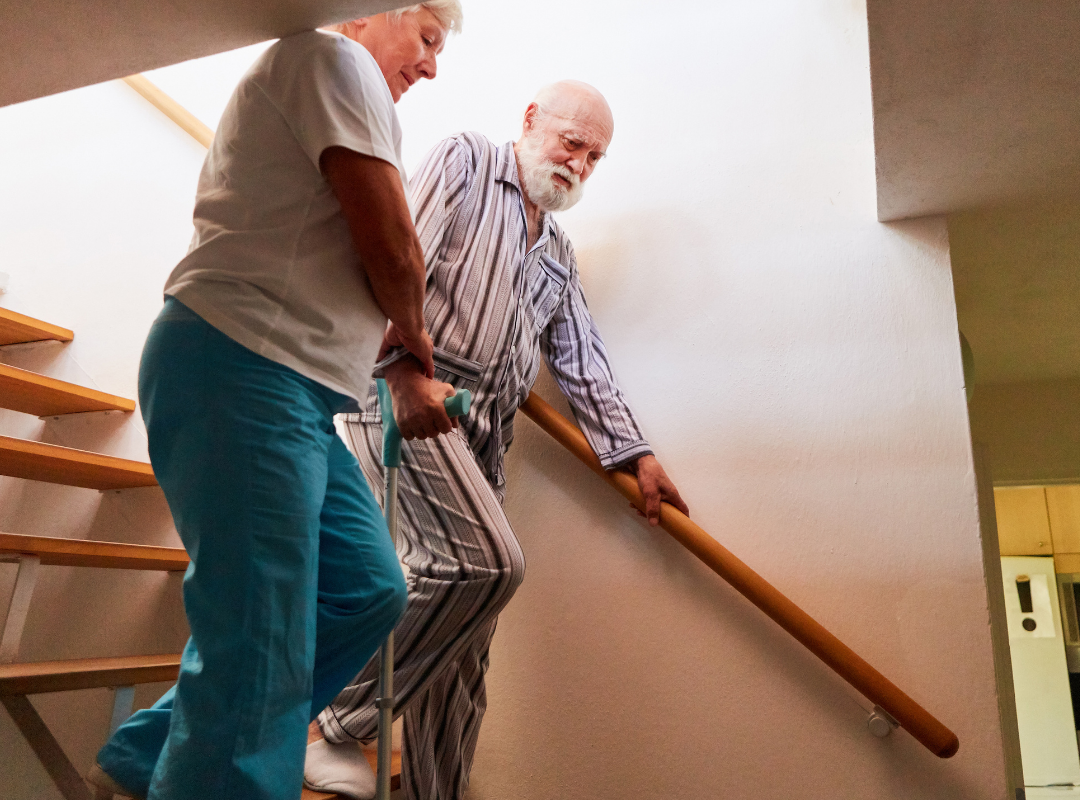
Someone with dementia may need to go into a care home when living at home no longer provides consistent safety, daily support, supervision, or quality of life. The decision may also become necessary when family caregivers can no longer meet those needs safely and sustainably.
A diagnosis alone does not determine when a move should happen. Families usually gain more clarity by looking at patterns involving safety, daily routines, behavior, supervision, and caregiver capacity. Planning before an emergency gives you more time to understand the available options and involve your loved one when possible.
When Should Someone With Dementia Go Into a Care Home?
Someone with dementia may need a care home when recurring changes make it difficult to provide safe, dependable support at home. One forgotten appointment or difficult evening may not mean a move is needed. Several concerns happening together, becoming more frequent, or continuing despite added support deserve closer attention.
A useful way to evaluate the situation is to consider five connected areas: personal safety, daily abilities, cognitive or behavioral changes, supervision needs, and caregiver sustainability. An appropriate healthcare professional can evaluate new medical or cognitive changes, while your family’s daily observations show how those changes affect life at home.
Signs That Living at Home May No Longer Be Safe
Safety concerns become more serious when they happen repeatedly or when the safeguards you have added no longer work. The National Institute on Aging explains that wandering can cause a person with Alzheimer’s disease to become lost, even in familiar places. Other concerns may include falls, unsafe driving, leaving doors unsecured, or difficulty responding during an emergency.
Daily routines also offer important clues. Your loved one may begin missing meals, wearing unsuitable clothing, struggling with personal hygiene, or taking medication incorrectly. Household tasks, laundry, transportation, and appointments may gradually shift to family members. Each task may seem manageable by itself, yet together they can create a level of support that is difficult to provide consistently.
Autumn House West offers Personal Care and Memory Care for different types of support needs. You can compare the available levels of care to understand whether your loved one mainly needs help with daily routines or also needs ongoing support related to memory loss, confusion, behavior, or supervision.
What Changes Suggest Dementia Is Getting Worse?
Dementia may be getting worse when changes in memory, communication, behavior, mobility, or daily functioning become more frequent and require greater assistance. You may notice increased confusion about time or place, difficulty following familiar routines, changes in sleep, withdrawal, agitation, or a growing need for reminders and hands-on help.
Keep a simple record of what happened, how often it occurred, what came before it, and whether anyone’s safety was affected. This can reveal patterns that are easy to miss from one day to the next. It also gives healthcare professionals clearer information when you discuss changing needs.
A sudden change should not automatically be treated as normal dementia progression. New confusion, behavior, or loss of ability may have another cause and should be discussed promptly with an appropriate healthcare professional.
Dementia Stage vs. Daily Care Needs: Which Matters More?
Daily care needs often provide more useful guidance than a stage label alone. Two people described as being in the same dementia stage may have very different abilities, behaviors, home environments, and levels of family support.
For Alzheimer’s disease, stage descriptions can overlap, and progression differs from person to person. The Alzheimer’s Association explains that support needs often increase over time, from greater help with routine tasks in the middle stage to extensive personal care in the late stage.
| Decision factor | Home may still be manageable | A higher or more consistent level of support may be needed |
| Safety | Risks are limited, and current safeguards work | Risks continue despite added safeguards |
| Daily routines | Occasional reminders are enough | Regular prompting or hands-on help is needed |
| Supervision | Sometimes being alone remains safe | Ongoing or near-constant supervision is needed |
| Behavior and communication | Changes can be managed consistently | Changes are frequent, distressing, or hard to manage |
| Caregiver capacity | Support remains sustainable | Caregivers are exhausted, unavailable, or unable to meet needs |
| Quality of life | Engagement and support needs are being met consistently | Isolation, distress, or unmet needs continue despite available support |
This comparison helps you focus on what is happening in daily life. The right setting depends on the person’s actual needs and does not always mean the same care option. A family does not need to wait for a specific stage when deciding when someone with dementia should go into a care home if safety and support needs have already exceeded what can be provided consistently.
Caregiver Capacity Is Part of the Safety Decision
Your ability to continue providing care is part of your loved one’s safety. Caregiving may become unsustainable when you cannot leave the person alone, sleep is repeatedly interrupted, physical assistance feels unsafe, or daily responsibilities require more time and skill than you can provide.
The Centers for Disease Control and Prevention reports that family caregivers provided about 18.4 billion hours of unpaid care to people with dementia in 2023. This figure shows how demanding the role can become, especially as supervision and daily support needs increase.
Families often adjust one responsibility at a time. You may begin by preparing meals, then add medication reminders, personal care, transportation, nighttime supervision, and household tasks. Looking at the full week, including evenings and nights, gives you a clearer picture than judging the situation by one calm afternoon.
Recognizing your limits does not mean you are abandoning your loved one. A move can allow you to return to being a spouse, child, sibling, or friend while the community provides more of the daily support.
How to Decide Without Waiting for a Crisis
You do not need to wait for a fall, wandering incident, hospitalization, or caregiver emergency before exploring care. A careful review of recent changes can help you decide whether the current arrangement remains safe.
Review What Has Changed Over the Past Several Weeks
Compare current abilities with earlier routines. Note whether your loved one needs more reminders, hands-on help, supervision, or reassurance than before. Focus on continuing patterns, not only on the most difficult day.
Separate Temporary Problems From Continuing Patterns
Discuss sudden or significant changes with an appropriate healthcare professional. A medical evaluation may help determine whether the change reflects dementia progression or another concern requiring attention.
Compare Needed Support With Available Support
Account for meals, medication routines, hygiene, housekeeping, transportation, social engagement, nighttime needs, and emergency response. Consider who is available to provide each type of help and whether that arrangement can continue reliably.
Involve Your Loved One Whenever Possible
Include the person with dementia in conversations based on their ability to understand and express preferences. Early discussions may give them more opportunity to share what feels familiar, reassuring, or important in a future living environment.
Visit Communities Before a Move Becomes Urgent
Earlier visits give you time to ask questions, compare care approaches, and observe daily life without the pressure of an immediate move. Autumn House West’s Care Assessment can help you organize current needs and consider which level of support may be appropriate.
What to Look for When Comparing Memory Care Communities
A memory care community should be evaluated by how well its services, daily routines, and environment match your loved one’s needs. Ask how the community assesses residents, responds as needs change, supports medication routines, communicates with families, and helps residents through confusion or distress.
Daily life matters too. Consider dining, laundry, housekeeping, transportation, activity spaces, and opportunities for engagement. At Autumn House West, approved amenities and services include art classes, fitness classes, game nights, movie screenings, religious services, community and event rooms, on-site transportation, dining, medication assistance, and on-site rehabilitation services. You can review the community’s amenities and daily-life features as part of your comparison.
Bring questions that connect directly to your parents’ routine:
- How will you learn my parents’ preferences and communication style?
- How are changing care needs assessed and shared with families?
- How do you support someone who becomes confused or distressed?
- Which services are included, and how can the arrangement change as care needs increase?
- What happens if my parents’ needs increase?
Personal Care at Autumn House West starts at $3,000, while Memory Care starts at $5,000. Starting prices should be considered alongside the person’s required care, included services, daily support, and overall living experience. The Cost Comparison tool can help families consider community living alongside the combined responsibilities and services involved in care at home.

Preparing for Moving a Parent to Memory Care
Moving a parent to memory care can feel more manageable when the community receives clear information about the person, not only their diagnosis. Share familiar routines, interests, communication habits, food preferences, meaningful activities, and situations that tend to cause reassurance or distress.
Choose familiar belongings that can make the new setting easier to recognize. Family members should also agree on a simple, consistent way to explain the move. No approach can guarantee that your parent will not feel confused or unsettled, and adjustment may take time.
Your role continues after move-in through visits, communication, advocacy, and care discussions. Families dealing with uncertainty, guilt, or changing responsibilities may also benefit from learning about dementia family support groups, which can offer perspective and practical support during care transitions.
Explore Memory Care Support at Autumn House West
Autumn House West offers Memory Care and Personal Care at 914 W Market St in York, Pennsylvania. Families can discuss how changes in memory, daily abilities, safety, and caregiver capacity relate to the available care options and approved services.
You can begin with the Care Assessment or schedule a tour to see the community and bring questions about your loved one’s needs. You may also contact the community or call 717-845-7214 for a direct conversation about possible next steps.
Frequently Asked Questions
How Long Does the Late Stage of Dementia Last?
There is no fixed length for the late stage of dementia. Progression varies based on the person, the type of dementia, general health, and other individual factors. Dementia types do not all follow the same course, and progression differs from person to person. Families should focus on current care needs, safety, and quality of life instead of using a timeline as the only basis for a care decision.
What Are the Signs Dementia Is Getting Worse?
Signs may include increasing confusion, communication difficulty, behavior changes, reduced mobility, disrupted sleep, or greater difficulty with eating and personal care. A growing need for reminders, supervision, or hands-on assistance may also show that needs are changing. Look for patterns rather than relying on one isolated incident. Sudden changes should be discussed promptly with an appropriate healthcare professional.
What Stage of Dementia Is Non-Stop Talking?
Non-stop or repetitive talking does not identify one specific stage of dementia. Communication changes can occur at different points and may be affected by confusion, anxiety, discomfort, or difficulty expressing a need. Pay attention to when the talking occurs, what seems to trigger it, and whether it represents a change from the person’s usual behavior. Seek professional guidance if the behavior is new, intense, or difficult to manage.
How Do You Know When Moving a Parent to Memory Care Is the Right Decision?
Moving a parent to memory care may be appropriate when safety risks, daily support needs, behavior changes, supervision demands, or caregiver limitations continue despite added help at home. Consider how often problems occur and whether current safeguards still work. A care assessment and early community visits can help you compare your parent’s needs with available support. The goal is to choose a setting that can provide consistent care while supporting dignity and daily quality of life.
The staff is friendly, helpful and caring to anyone that comes into the building whether it’s a resident or their family.
Kimberly Burdette