717.845.7214
 York, PA


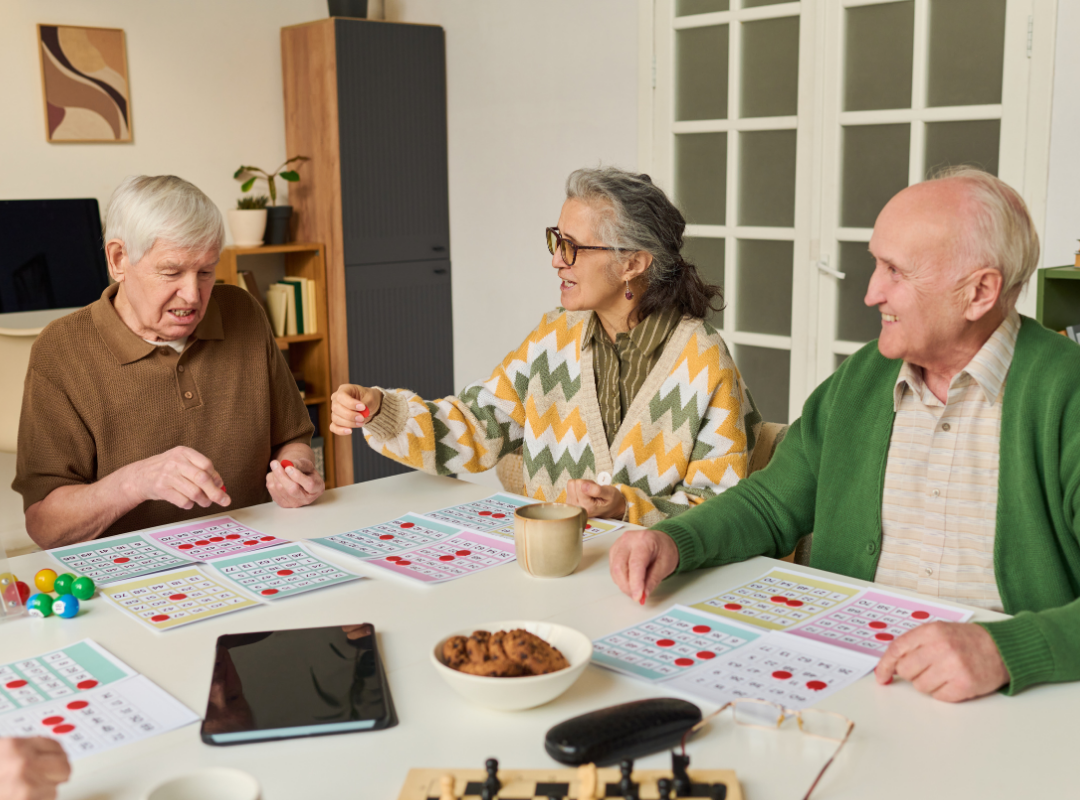
The best activities for memory care residents are not necessarily the most complicated or stimulating. Meaningful activities are those a person can comfortably participate in based on their interests, familiar routines, current abilities, energy, and preferences.
That might mean painting, listening to favorite music, taking a walk, folding towels, watching a familiar movie, attending a religious service, or simply spending time with others. What matters most is finding an activity that gives the person an approachable way to participate without unnecessary pressure.
For families and caregivers, it helps to think beyond finding more things to do. A better question is: What kind of activity is likely to feel comfortable and worthwhile for this person today?
Activity Ideas for Memory Care Residents
Activities for memory care can take many forms. A useful mix may include creative, physical, sensory, familiar, individual, and social options.
The National Institute on Aging’s guidance for caring for a person with Alzheimer’s disease recommends matching activities to what the person can do, helping them get started when needed, and watching for signs of frustration. The goal is not to complete as many activities as possible. It is to create opportunities the person can enjoy and participate in successfully.
Here are several broad categories families can consider.
Creative and Hands-On Activities
Creative activities provide different ways to participate, even when following detailed instructions becomes difficult.
Ideas may include:
- Painting or drawing
- Coloring
- Simple collage projects
- Working with clay or other safe tactile materials
- Arranging flowers
- Looking through art books
- Decorating seasonal items
- Making simple cards
The activity can be simplified depending on the person’s abilities. Someone who once completed complex art projects may now prefer choosing colors, painting freely, or helping with one part of a project.
The finished product does not need to be the measure of success. Participation itself can be worthwhile.
Families interested specifically in hands-on projects can also explore these craft activities for seniors for additional ideas.
Music, Movies, and Sensory Activities
Familiar sounds, sights, and sensory experiences can offer accessible ways to spend time together.
Possible activities include:
- Listening to favorite songs
- Singing along to familiar music
- Watching a favorite movie or television program
- Looking through photographs
- Handling familiar objects with interesting textures
- Sitting near an open window or outdoors in comfortable weather
- Listening to nature sounds
- Enjoying a favorite scent when it is safe and comfortable
Personal preference matters. A lively song that one resident enjoys may feel overwhelming to another person who prefers quiet music.
At Autumn House West, approved community amenities include movie screenings as well as activity rooms and social spaces, providing residents with different settings for leisure and participation.
Movement and Outdoor Activities
Movement does not have to mean a formal workout. Depending on the person’s health, mobility, and professional guidance when needed, physical activity may be as simple as walking, stretching, moving to music, or spending time outdoors.
Ideas may include:
- Taking a comfortable walk
- Participating in an appropriate fitness class
- Moving or swaying to music
- Watering plants
- Light gardening
- Sitting outside and observing birds, plants, or changing weather
- Walking through a museum or another familiar attraction when appropriate
The activity should fit the individual’s physical abilities and safety needs. Shorter periods of activity may sometimes be more comfortable than expecting someone to participate for an extended time.
Autumn House West offers fitness classes and outings to local attractions, including museums and restaurants, among its approved amenities.
Familiar Everyday Activities Can Be Meaningful, Too
An activity does not need to look like organized entertainment.
Familiar everyday tasks may give a person a recognizable way to participate. The Alzheimer’s Association guidance on choosing and adapting activities recommends considering previous interests, work experience, familiar habits, existing abilities, and activities a person naturally begins on their own.
Examples might include:
- Folding towels
- Setting the table
- Sorting familiar household items
- Watering plants
- Looking through the newspaper
- Organizing papers or objects
- Helping with a simple food-preparation task
- Pairing socks
- Wiping a table
- Looking through family photographs
These activities should not be treated as tests.
If towels are folded differently than expected or objects are placed in an unusual order, correcting every detail can shift attention away from the part that matters: giving the person an opportunity to take part in something familiar.
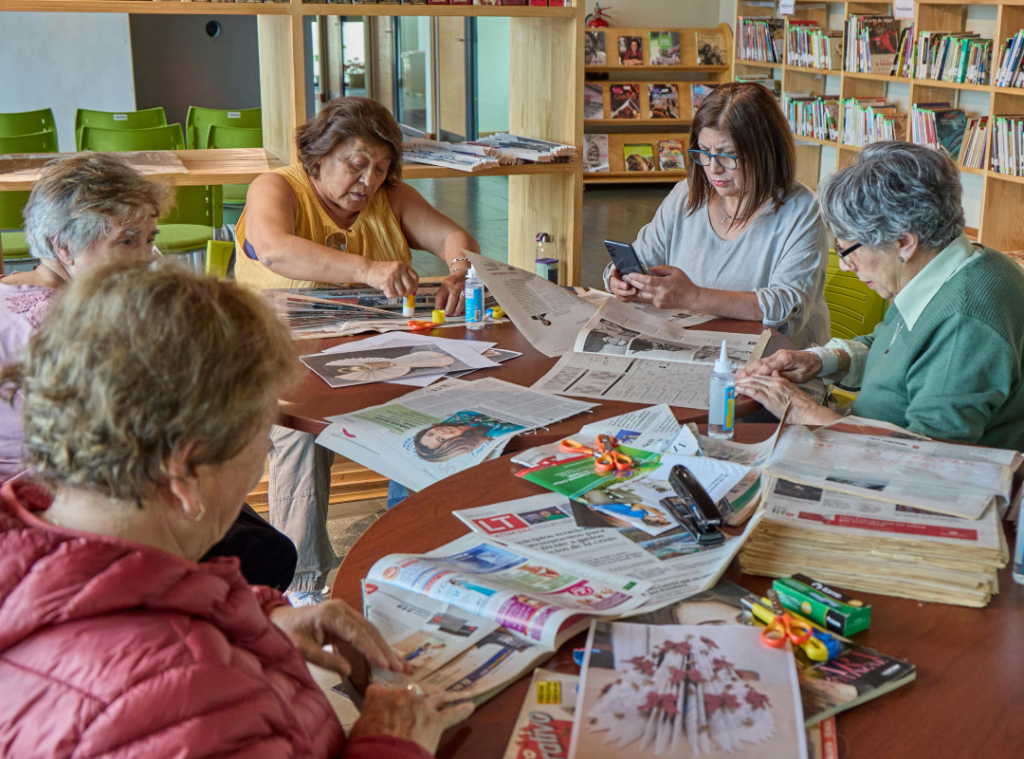
Social and Group Activities
Some memory care residents enjoy being part of a group, while others may be more comfortable in a quieter setting or with one other person.
Possible group activities include:
- Art classes
- Music or sing-alongs
- Movie screenings
- Religious services
- Shared meals
- Gentle movement classes
- Group conversations
- Celebrations
- Outings
- Simple games
Games belong among the available options, but they are only one type of activity. A resident who does not enjoy games may prefer music, art, conversation, movement, faith-based activities, or simply being present while others participate.
Social engagement also does not require constant conversation. Someone may enjoy listening to music with a group, watching an art activity, or sitting alongside others without actively joining every part of the event.
Autumn House West offers art classes, fitness classes, game nights, movie screenings, religious services, activity rooms, social spaces, and community and event rooms. Families can learn more about the community’s activities and amenities.
How to Adapt Activities to the Individual
A good memory care activity is flexible.
Rather than starting with the activity and expecting the person to fit it, start with the person and adjust the activity around what they can comfortably do.
Start With Interests and Personal History
Past interests can provide useful clues.
Consider questions such as:
- What hobbies did the person enjoy?
- What music did they listen to?
- Did they enjoy gardening, cooking, sports, art, reading, or faith-based activities?
- What kind of work did they do?
- Did they prefer groups or quieter activities?
- What routines were part of everyday life?
A former gardener might enjoy watering plants. Someone who spent years cooking for family may enjoy stirring ingredients or helping set a table. A lifelong music lover may prefer listening to favorite songs over completing a craft project.
The exact activity may change, but the underlying interest can remain useful.
Match the Activity to Current Abilities
An activity that worked several months ago may eventually need to be simplified.
That might mean:
- Reducing the number of steps
- Demonstrating the first step
- Offering two choices instead of many
- Using easier-to-handle materials
- Completing the activity together
- Shortening the amount of time
- Allowing the person to watch rather than participate directly
Support should make participation easier, not turn the activity into a test of what the person can still accomplish.
Watch the Person’s Response
Interest can change from day to day.
Signs that an activity may need to be changed or paused can include visible frustration, distraction, fatigue, irritation, or a clear loss of interest.
Instead of insisting that the activity be finished, try simplifying it, offering help, switching to something else, or returning to it another time.
A successful activity today may not be the right activity tomorrow.
Consider the Environment
Sometimes the problem is not the activity itself.
A person may find it harder to participate when there is:
- Too much noise
- A large or unfamiliar group
- Too many instructions at once
- Poor lighting
- Uncomfortable seating
- Too much visual clutter
- A long period without rest
Changing the setting can make an otherwise familiar activity easier to approach.

Why Familiar Activities May Be Easier to Enjoy
Familiar activities can be easier to approach because they draw from routines, interests, and experiences the person already knows.
Someone who spent years listening to a particular style of music, tending a garden, preparing meals, attending religious services, or working with their hands may recognize elements of those experiences even when the activity needs to be simplified.
Familiarity does not mean a person will always respond positively. Preferences and abilities can change. Instead, familiar activities provide a useful starting point because they are grounded in the person’s own history rather than being chosen simply because they appear on a list of dementia activities.
This is one reason personalization matters more than finding a supposedly perfect activity for everyone.
What Families Should Ask About Activities in Memory Care
When evaluating a memory care community, looking at an activity calendar alone may not tell you whether the available opportunities will fit your loved one.
A better conversation focuses on how residents can participate.
Consider asking:
- What kinds of creative, physical, social, quiet, and faith-based activities are available?
- Are there options for residents who prefer smaller groups or individual activities?
- How are residents encouraged to participate without being pressured?
- What happens when someone does not want to join a planned activity?
- Are activities adjusted when a resident has difficulty following several steps?
- How can families share a resident’s hobbies, interests, routines, and preferences?
- Are residents able to participate by watching or joining only part of an activity?
- What kinds of outings or activities outside the community are available?
You can also ask to see the spaces where activities occur and observe whether there are different options for different interests.
If you are comparing care options, reviewing the Memory Care and Personal Care levels available at Autumn House West can help you understand how activities fit within the broader care setting.
Meaningful Activities Begin With the Person
There is no single list of activities for memory care that will suit every resident.
One person may enjoy painting with a group. Another may prefer listening to familiar music. Someone else may find more satisfaction in folding towels, tending plants, watching a movie, attending a religious service, or taking a short outing.
The strongest starting point is the individual: their interests, history, abilities, comfort, energy, and response in the moment.
For families considering Memory Care in York, Pennsylvania, Autumn House West offers Memory Care along with amenities that include art and fitness classes, activity and social spaces, game nights, movie screenings, religious services, and outings to local attractions.
To see the community and ask how available activities may fit your loved one’s interests and needs, schedule a tour of Autumn House West.
Frequently Asked Questions
What activities are appropriate for memory care residents?
Appropriate activities for memory care residents are activities that match the person’s interests, current abilities, comfort, and safety needs. Examples can include music, art, simple household tasks, walking, gardening, movies, religious activities, conversation, outings, and social gatherings. Activities should be flexible enough to simplify or stop when the person becomes tired, frustrated, or uninterested.
How can activities be adapted to different interests?
Start with what the person already enjoys and change the activity rather than expecting the person to adjust to it. You might reduce the number of steps, offer simpler choices, provide help getting started, shorten the activity, change the setting, or let the person participate by watching. Past hobbies, work, routines, and favorite music can all provide useful starting points.
Why are familiar activities often easier to enjoy?
Familiar activities draw on experiences and routines the person already knows. A former gardener may enjoy caring for plants, while someone who loved music may prefer listening or singing along to familiar songs. Familiarity does not guarantee interest, but it can make an activity feel more recognizable and approachable.
What group activities may encourage social connection?
Group activities may include art, music, gentle movement, shared meals, movie screenings, religious services, conversation, outings, celebrations, and simple games. The best option depends on the individual. Some residents may enjoy active participation, while others may prefer sitting with the group and observing.
What should families ask about a community’s activity schedule?
Families should look beyond how many activities appear on the schedule. Ask what types of activities are available, whether residents have individual and group options, how activities are adapted when needed, how personal interests are considered, and what happens when someone does not want to participate. These questions can reveal more about the everyday experience than the number of scheduled events alone.
The staff is friendly, helpful and caring to anyone that comes into the building whether it’s a resident or their family.
Kimberly Burdette