717.845.7214
 York, PA


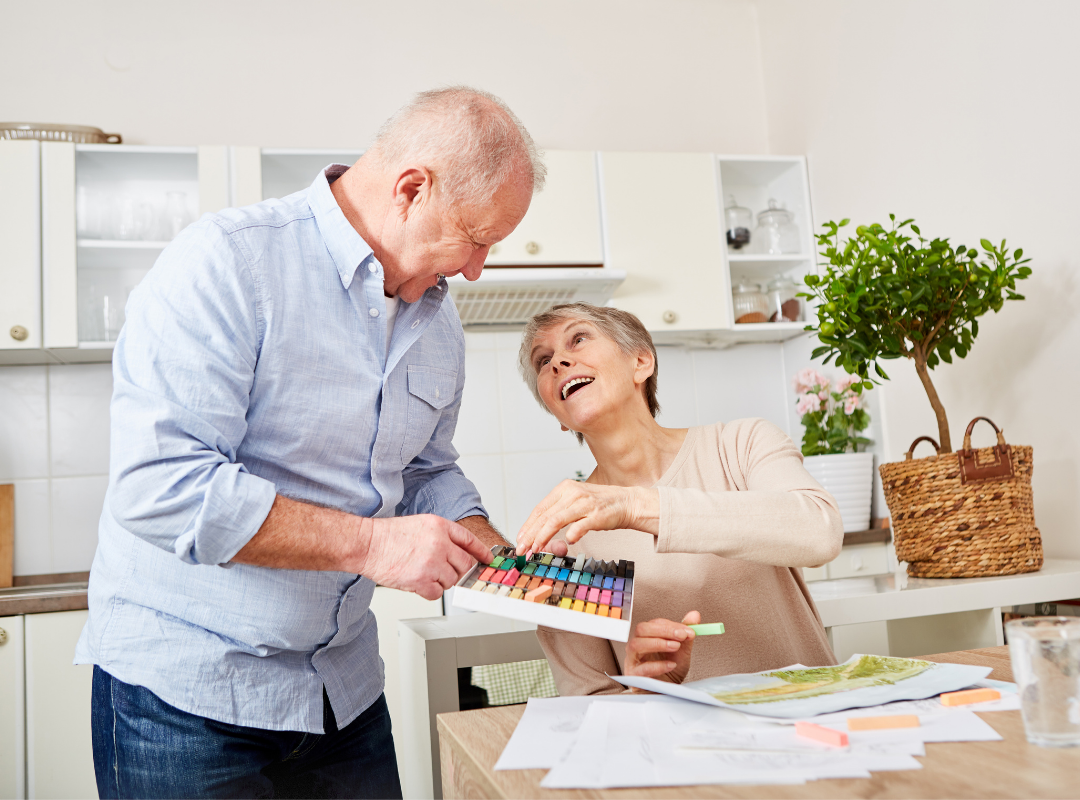
Art therapy for seniors is a mental health service that uses creative expression within a therapeutic relationship led by a qualified art therapist. Painting, drawing, collage, and similar activities may also offer enjoyment, connection, and self-expression, but an ordinary art class or craft session is not the same as professional art therapy.
You do not need years of artistic experience to enjoy being creative later in life. The right activity depends on your interests, comfort, abilities, and preferred setting. At Autumn House West in York, Pennsylvania, residents can participate in art classes and other social activities as part of community life. Here is how to understand your options and choose activities that feel meaningful.
What Is Art Therapy for Seniors?
Art therapy for seniors is a form of mental health care that combines art-making with psychological theory and a therapeutic relationship. According to the American Art Therapy Association, it is facilitated by a professional art therapist who has advanced education and supervised clinical training.
The purpose is not to produce a polished picture or learn a certain technique. The creative process is used to support personal treatment goals, communication, emotional expression, and other needs identified within therapy.
Art Therapy vs. Art Classes and Crafts
Art therapy, art classes, and recreational crafts can all involve similar materials, but they serve different purposes.
| Type of Activity | Who Leads It | Main Purpose | Clinical Assessment |
| Art therapy | A qualified art therapist | Support therapeutic goals through a professional treatment process | May be included |
| Art class | An instructor or activity leader | Learn, practice, or enjoy creative skills | Not included |
| Recreational craft | An individual, family member, caregiver, or activity leader | Enjoyment, social time, or personal expression | Not included |
Coloring, painting, and crafting on your own may feel calming or rewarding, but those activities should not be presented as clinical art therapy. This difference matters when your family is deciding whether you want an enjoyable, creative outlet or professional mental health support.
Why Creative Activities Can Be Meaningful in Later Life
Creative activities can give you a pleasant way to spend time, make choices, express personal interests, and connect with other people. You may enjoy working quietly on a painting, sharing stories while making a collage, or joining a group project that gives everyone a role.
Research continues to explore the benefits of art for seniors. A 2025 review indexed by the National Library of Medicine examined 38 studies involving 2,869 older adults and found that art-based interventions showed potential cognitive benefits, although results varied by activity type, study design, and participant needs. Creative activities should not be viewed as a guaranteed treatment or a replacement for professional care.
Social participation can also matter. The National Institute on Aging reports that 1 in 4 adults age 65 and older are socially isolated. An art class or shared creative project may provide a natural setting for conversation and companionship without making social interaction feel forced.
Daily Creative Activities Seniors Can Try
The best creative activity is one that feels enjoyable, manageable, and connected to the person taking part. Some seniors enjoy detailed work, while others prefer broad shapes, familiar images, or projects that can be completed in a short period.
Painting and Color Activities
Watercolor painting, large-brush painting, and simple seasonal pictures can work well for people who enjoy color without wanting to focus on fine detail. A familiar photograph, favorite flower, or outdoor scene can provide an easy starting point.
Drawing, Coloring, and Collage
Drawing familiar objects, filling in large-print coloring pages, or arranging pictures into a collage allows plenty of personal choice. A collage might focus on family, favorite places, hobbies, celebrations, or meaningful memories.
Texture and Hands-On Projects
Soft clay, fabric, paper, and other textured materials can make a project more hands-on. Simple options include shaping clay, arranging materials by color, making seasonal decorations, or creating a design from paper shapes.
Creative Activities With a Social Element
Art can become part of a family visit, small-group event, or community outing. You might make a shared mural, create cards together, or visit a museum for ideas before beginning a project. Families looking for local inspiration can explore York, PA, museums for senior and caregiver day trips.
The finished piece does not need to look a certain way. The conversation, choices, and time spent creating may be just as meaningful as the final result.
Matching the Activity to the Senior
A creative activity works best when it fits the senior, not simply the supplies that happen to be available. Before choosing a project, consider four areas: interest, ability, setting, and support.
Interest means choosing themes, colors, and materials that the person genuinely enjoys. Ability includes comfort with vision, grip, movement, attention, and communication. Setting refers to whether the person prefers quiet time, one-to-one participation, or a social group. Support covers any help needed to prepare supplies, follow steps, travel to an activity, or remain comfortable.
Choosing a Creative Activity Based on Interests and Support Needs
| Preference or Need | Activity Idea | Helpful Adaptation | Possible Setting |
| Enjoys familiar memories | Photo collage or painting from a photograph | Use clear, familiar pictures | Home or small group |
| Prefers simple steps | Coloring or arranging paper shapes | Offer a limited number of materials | Quiet activity room |
| Enjoys conversation | Group mural or seasonal project | Seat participants where they can talk | Social or event room |
| Has limited hand strength | Large brushes or easy-grip tools | Choose lightweight supplies | Supported class |
| Becomes overwhelmed easily | One simple prompt using one material | Reduce clutter and background noise | Calm one-to-one setting |
Pay attention to how the person responds. A project that looks simple to one person may feel tiring or frustrating to another. Changing the material, shortening the session, or choosing a quieter place may make participation more comfortable.
Art Activities for Seniors With Dementia
Art activities for seniors with dementia should feel familiar, respectful, and easy to approach. The goal is participation, not completing every step correctly or producing a recognizable finished piece.
A calm setup can reduce unnecessary decisions. Present one or two materials at a time, use brief instructions, and demonstrate the next step when words are not enough. Familiar subjects, such as a favorite season, flower, place, or family tradition, may provide a more comfortable starting point.
Helpful adjustments may include:
- Offering two clear choices
- Using large, easy-to-handle materials
- Keeping the workspace uncluttered
- Allowing breaks or an early stopping point
- Avoiding corrections to the finished work
Art Therapy Directives for Seniors
A formal art therapy directive is chosen by a qualified art therapist to support a therapeutic goal. Families and activity staff may use simple creative prompts, but these should not be described as clinical treatment.
A non-clinical prompt might invite someone to paint a favorite season, choose a color that reflects a feeling, create a picture inspired by music, or arrange photos of meaningful places. The prompt should create an opening, not a test with a correct answer.
If your family is considering Memory Care or Personal Care, daily activities are only one part of the decision. Support needs, comfort, routines, and the living environment also matter. The Care Assessment can help you consider what level of daily support may fit your current situation.
Can You Do Art Therapy on Your Own?
You can paint, draw, color, sculpt, or make a collage on your own, but independent creative work is not formally considered art therapy. Professional art therapy takes place within a therapeutic relationship with a qualified art therapist.
Independent creative activities can support enjoyment, routine, learning, or self-expression. A family member or caregiver may also prepare materials, provide company, or make the steps easier to follow. Professional art therapy is the appropriate option when a qualified therapist is needed to guide the creative process around individualized therapeutic goals.
Watch for signs that the activity needs to change. Difficulty holding materials, repeated frustration, tiredness, discomfort, or a desire to stop are all good reasons to pause. You can simplify the project, change the environment, or return to it another day.
How to Build a Simple Creative Routine
A creative routine should be flexible enough to match the person’s energy and interest from one day to the next. You do not need a complicated schedule or a large collection of supplies.
Start by choosing a subject the senior already enjoys. Set out only the materials needed, then offer a few manageable choices. Some people may want to talk while creating, while others prefer to work quietly. Let the person decide when the activity feels complete.
A simple five-day plan might include:
- Monday: Watercolor or large-brush painting
- Tuesday: Photo collage
- Wednesday: Coloring or pattern drawing
- Thursday: Museum-inspired project
- Friday: Seasonal craft
Family art time, displaying finished work, or talking about a completed project can be added on other days when those activities feel welcome. A routine should support enjoyment, not create pressure to participate every day.
If you are also thinking about how hobbies, social activities, and daily routines fit into senior living, the Lifestyle Assessment can help you explore which experiences may suit your preferences.
Finding Art Therapy for Seniors Near You
A search for art therapy for seniors near me may lead to several different types of programs. Before choosing one, decide whether you are looking for professional mental health treatment, a recreational art class, a community event, or a senior living setting with creative programming.
Possible options include a qualified art therapist, senior center, museum program, community art class, or senior living community. The best art therapy for seniors is not one universal program. The right choice depends on the person’s goals, preferences, abilities, comfort, and level of support.
Ask these questions before choosing a program:
- Is this professional art therapy or a recreational art class?
- Who leads the sessions, and what training do they have?
- Can activities be adjusted for mobility, vision, hearing, or memory needs?
- Are individual and group options available?
- What support and transportation options are available?
You may also see the phrase art therapy in nursing homes during your search. Creative programs and professional art therapy can take place in many settings, including personal care, memory care, senior communities, private practices, rehabilitation facilities, and community programs. Ask each provider what is actually offered so you can compare similar services.
Creative and Social Opportunities at Autumn House West
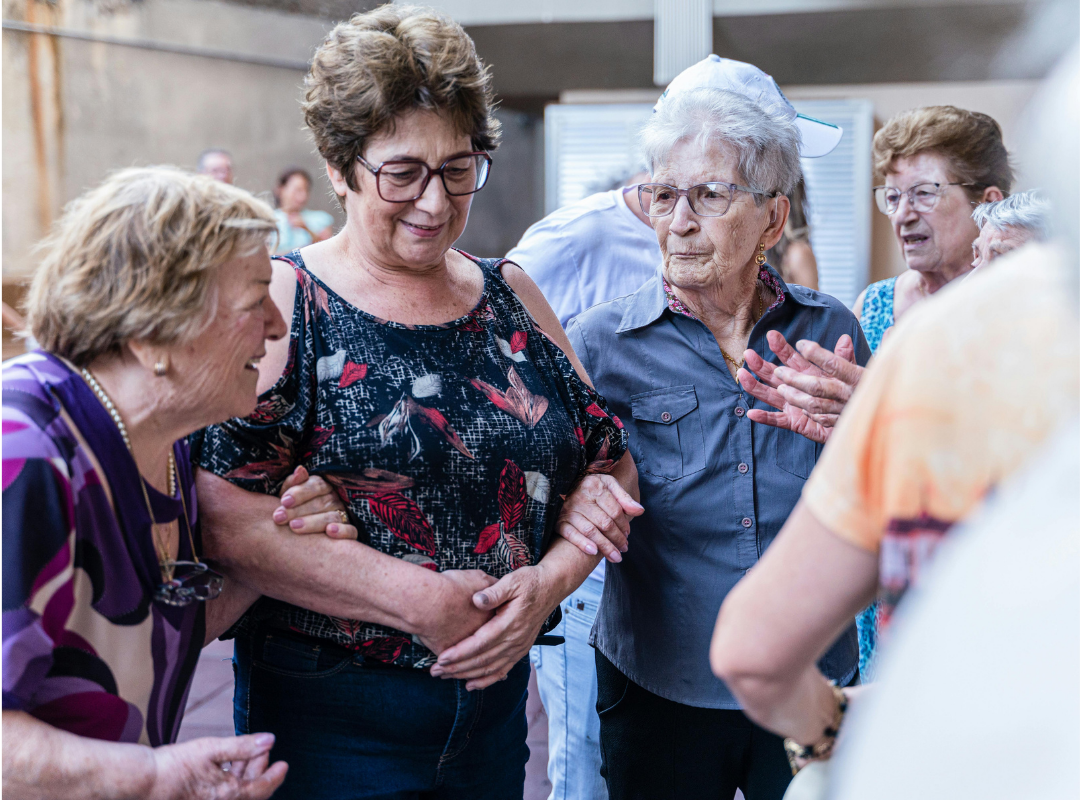
Autumn House West is located at 914 W Market St in York, PA, and offers Personal Care and Memory Care. Residents have opportunities to take part in art classes, use activity rooms and social spaces, and attend community events. Game nights, movie screenings, fitness classes, religious services, and outings to local museums and restaurants add variety to community life.
These features can help families consider how creative interests connect with care needs, transportation, social opportunities, and everyday routines. You can review the community’s amenities and activities to see how different spaces and programs fit together.
Make Creativity Part of a Supportive Daily Life
Creative activities can be simple, personal, and adaptable. A paintbrush, a familiar photograph, or a few pieces of colored paper may be enough to begin. What matters most is choosing an activity that respects the person’s interests, abilities, and desire to participate.
To see how art classes, activities, Personal Care, and Memory Care come together at Autumn House West, schedule a tour and visit the community. You can also contact the team to ask questions and plan the next step that feels right for your family.
Frequently Asked Questions
What are the art therapy activities for the elderly?
Professional art therapy activities may include painting, drawing, collage, clay work, or other creative processes selected by a qualified art therapist. The activity is chosen to support an identified therapeutic goal, not simply to teach an artistic skill. Recreational options may use the same materials but focus on enjoyment, learning, or social participation. Families should ask who leads the activity and whether it is clinical therapy or a general art program.
Is 70 too old for therapy?
No, age 70 is not too old to begin art therapy or another professionally guided therapeutic service. The right approach depends on the person’s goals, preferences, communication needs, health, and comfort with the provider. A qualified professional can help determine whether art therapy fits the person’s needs. Age alone should not prevent someone from exploring an appropriate form of support.
What are some fun activities for seniors?
Fun activities for seniors may include painting, crafts, museum visits, game nights, movie screenings, fitness classes, restaurant outings, or shared family projects. The best choice reflects the person’s interests, abilities, energy, and preferred social setting. Some seniors enjoy structured classes, while others prefer quiet activities they can complete at their own pace. Offering a few choices can make participation feel more personal.
Can you do art therapy on your own?
No, formal art therapy cannot be practiced alone because it involves a therapeutic relationship with a qualified art therapist. You can still create art independently for enjoyment, relaxation, learning, or self-expression. A family member or caregiver may also help with materials and provide companionship. These experiences can be meaningful, but they are creative activities, not professional art therapy.
What is the difference between art therapy and an art class?
Art therapy is a mental health service led by a qualified art therapist and connected to individual therapeutic goals. An art class usually focuses on learning techniques, completing projects, or enjoying a creative experience. Both may use paint, clay, collage, or drawing materials. The difference lies in the facilitator’s qualifications, the purpose of the session, and whether a clinical treatment process is involved.
The staff is friendly, helpful and caring to anyone that comes into the building whether it’s a resident or their family.
Kimberly Burdette